
Heavy Weights vs. High Reps: What Builds More Muscle?
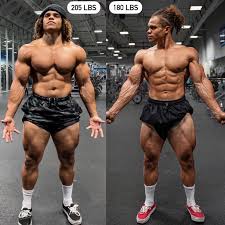
The question of whether to lift heavy with low reps or use lighter weights with higher reps is one of the most enduring debates in strength training. The answer, supported by decades of exercise science, is more nuanced than a simple either-or. Both approaches can build muscle—but they do so through different mechanisms, and the optimal strategy combines the two.
The Mechanisms of Muscle Growth
To understand which approach works best, it helps to know how muscles actually grow. Muscle hypertrophy (growth) is driven by three primary mechanisms:
-
Mechanical Tension: The force generated by muscles during contraction. Heavy loads create high mechanical tension, which is considered the primary driver of muscle growth.
-
Metabolic Stress: The “pump” and burning sensation associated with higher-rep training. This accumulation of metabolites (lactate, hydrogen ions, etc.) triggers anabolic signaling and cell swelling, both of which contribute to growth.
-
Muscle Damage: Microscopic tears in muscle fibers from novel or intense exercise. This damage stimulates repair processes that can lead to growth, though excessive damage without recovery can be counterproductive.
The key point is that both heavy lifting and higher-rep training activate these mechanisms, just to different degrees.
Heavy Weights, Low Reps (1–5 Reps)
This style of training focuses on maximal or near-maximal loads, typically in the range of 80–100% of your one-rep maximum (1RM).
Benefits
-
Maximizes mechanical tension: This is the most direct stimulus for muscle growth and strength adaptation.
-
Improves neuromuscular efficiency: Heavy lifting trains your nervous system to recruit more muscle fibers more effectively.
-
Builds raw strength: If your goal is to get stronger, heavy low-rep work is non-negotiable.
-
Time-efficient: Fewer reps mean shorter sets.
Limitations
-
Lower total volume: You simply cannot perform as many total reps with near-maximal weights, which can limit overall training volume—a key factor in hypertrophy.
-
Higher injury risk if form breaks down: Lifting at high intensities requires strict technique.
-
Less metabolic stress: You won’t get the same “pump” or metabolic stimulus compared to higher-rep work.
Best Used For
-
Building foundational strength
-
Progressing compound lifts (squat, deadlift, bench press)
-
Periods focused on strength development
Moderate Weights, Moderate Reps (6–15 Reps)
This is often called the “hypertrophy range,” as it balances mechanical tension with metabolic stress. Loads typically fall between 60–80% of 1RM.
Benefits
-
Optimal balance: Provides substantial mechanical tension while also generating significant metabolic stress.
-
Higher training volume: You can accumulate more total work (sets × reps × weight), which correlates strongly with muscle growth.
-
Safer for technical lifts: Slightly lower loads allow for more controlled form.
-
Produces the “pump”: Metabolic stress is high, contributing to cell swelling and anabolic signaling.
Limitations
-
Less strength-specific: While you will gain strength, it may not translate as directly to maximal 1RM performance compared to heavy low-rep training.
-
Can lead to excessive fatigue if overdone: High-rep sets, especially on compound movements, can accumulate significant systemic fatigue.
Best Used For
-
Primary hypertrophy training
-
Most accessory and isolation work
-
Sustained progress over long training blocks
Light Weights, High Reps (15–30+ Reps)
Lifting lighter loads to failure or near-failure has gained renewed attention in recent research. When taken close to muscular failure, even very light weights can stimulate growth.
Benefits
-
Excellent metabolic stress: High-rep training produces a significant pump and metabolite accumulation.
-
Joint-friendly: Lower absolute loads reduce stress on connective tissues.
-
Effective for isolation movements: Smaller muscle groups (delts, biceps, calves) often respond well to higher-rep work.
-
Builds muscular endurance: Improves your ability to perform sustained work.
Limitations
-
Less mechanical tension per rep: To stimulate growth, you must take sets close to failure, which can be uncomfortable and fatiguing.
-
Time-consuming: High-rep sets take longer to complete.
-
Diminishing returns: Research suggests that while very high reps can work, they are generally less efficient than moderate rep ranges for most individuals.
Best Used For
-
Deload weeks or joint recovery phases
-
Blood flow training or “pump” work
-
Targeting stubborn muscle groups with higher volume
What Does the Science Say?
A substantial body of research now indicates that muscle growth can occur across a wide range of rep schemes, provided sets are taken close to failure. Studies comparing heavy (3–5 reps), moderate (8–12 reps), and light (20–30 reps) training have found similar hypertrophy outcomes when total volume is equated and sets are performed with effort.
However, there are practical considerations:
-
Heavy low-rep training tends to produce greater strength gains but may lag slightly in total muscle growth if volume is not carefully managed.
-
Higher-rep training can produce comparable growth but requires more time and a tolerance for metabolic discomfort.
-
The moderate hypertrophy range (6–15 reps) remains the most practical and widely recommended for most individuals seeking muscle growth, as it balances effectiveness, safety, and time efficiency.
The Optimal Approach: Periodization and Variety
The most effective long-term strategy is not to choose one approach exclusively but to incorporate all rep ranges over time. This concept, known as periodization, prevents stagnation, reduces overuse injuries, and stimulates continued progress.
A Sample Hybrid Approach
| Training Phase | Rep Range | Focus |
|---|---|---|
| Strength Phase | 3–6 reps | Build foundational strength, heavy compound lifts |
| Hypertrophy Phase | 8–12 reps | Accumulate volume, balanced tension and pump |
| Metabolic Phase | 15–20 reps | Increase muscular endurance, promote blood flow |
| Deload Week | 10–15 reps at reduced intensity | Active recovery, technique work |
Even within a single week, you can combine approaches:
-
Compound lifts: 4–6 reps (heavy)
-
Accessory lifts: 8–12 reps (moderate)
-
Isolation/corrective work: 12–20 reps (light)
Practical Takeaways
-
If your primary goal is strength: Prioritize heavy low-rep work (1–5 reps) on compound movements, with supplemental hypertrophy work in moderate rep ranges.
-
If your primary goal is muscle growth: Spend most of your time in the 6–15 rep range, but periodically incorporate strength phases (3–6 reps) and higher-rep phases (15–20 reps) to drive continued adaptation.
-
If you are a beginner: Start in the 8–12 rep range with manageable weights to learn proper form and build a foundation before adding heavy low-rep work.
-
If you have joint issues: Emphasize moderate to higher rep ranges (10–20 reps) with controlled form to reduce stress on connective tissues while still stimulating growth.
-
If you are short on time: Heavy low-rep training can be efficient, but ensure you are still accumulating sufficient weekly volume for growth.
Conclusion
You do not have to choose between lifting heavy and doing more reps. Both are valuable tools. Heavy weights maximize mechanical tension and build the strength that allows you to handle more volume over time. Higher reps generate metabolic stress, promote muscular endurance, and allow you to accumulate total training volume with less joint strain.
The most effective approach for muscle growth is a balanced one: use heavy loads to build strength, spend most of your training in the moderate hypertrophy range, and periodically incorporate higher-rep work to drive metabolic stress and prevent staleness. Consistency, progressive overload, and recovery matter far more than whether you do eight reps or twelve.
You can buy anabolic steroids online at www.24HoursPPC.ORG